Admin / October 14, 2024
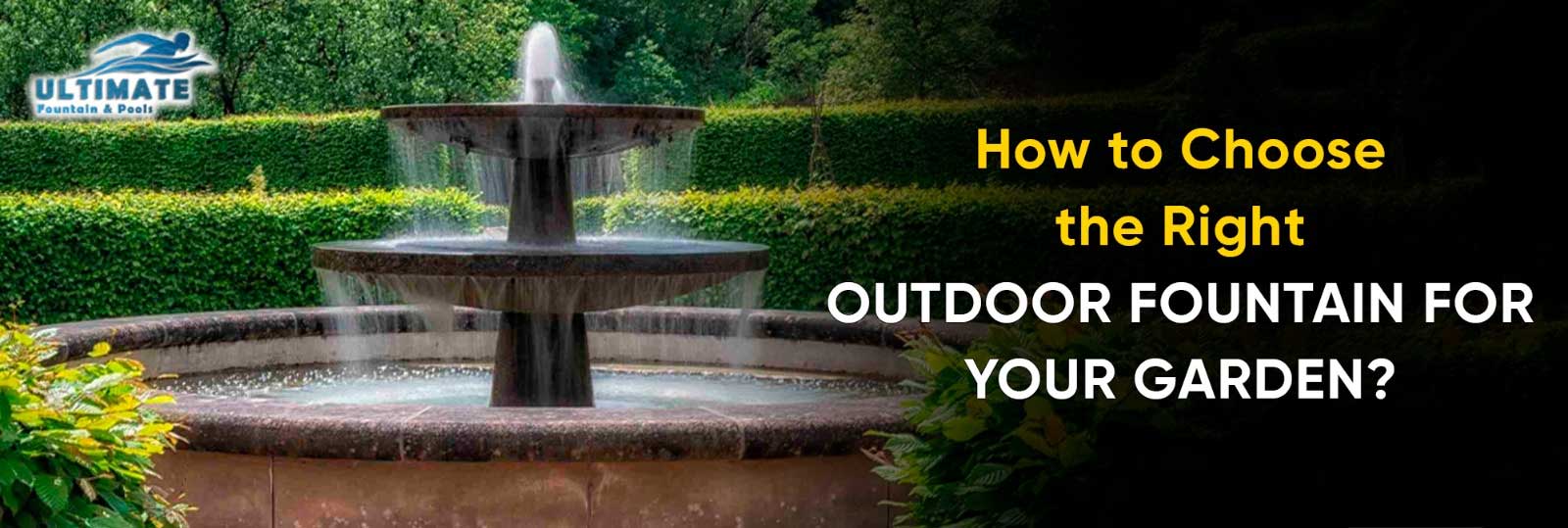
While this can improve the aesthetics of the yard, it can also help you relax with the sounds of flowing water from the water feature. The task though will take a lot of patience and may need some measure of sense. Outdoor wall fountains do come in different styles and dimensions which will complement your place and also give it some decorative flair. In this blog, we shall talk about the important things that you need to know regarding the outdoor fountains that best suit your area.
The correct positioning of the fountain will help to ensure that it blends well with the garden without taking too much or too little space.
Considerations for Large Gardens: In an expansive garden, it is permissible to opt for large and more elaborate fountains. A centerpiece may include multi-step or massive complex fountains. On the other hand, fountains placed within a pool of water or in the middle of a garden walkway create an element of excitement and surprise.
More significant structures typically require other amenities, such as the recirculation of water and electric current to power the pump, as they can be integrated further into the structure. Perhaps it is better to engage a fountain installation service to ensure that the fountain is well installed and works properly.
Little Gardens: When you want to avoid bulky decorative structures, it is necessary to settle for a small fountain. In regions of the house where one has limited space for decorations, wall-mounted or tabletop fountains can be used. They provide the soft sound of moving water but do not overpower the surroundings. However, providing the fountain is well positioned and well designed to fit into the environment, a small fountain may not be such an issue.
The design of your yard should certainly affect the kind of fountain that you decide on. The most appropriate fountain for the surrounding gardens, whether modern, traditional, or rustic, will be in harmony with the overall theme of the space.
Modern Gardens: Modern or contemporary gardens as a rule are oriented towards simple and clean forms. Fountains from stainless steel, glass, or polished stone suit this style very well. Straight, clean lines and geometrical and simple constructions introduce a contemporary feel and unification into the space.
Traditional or Classic Gardens: Classic or traditional gardens mainly use decorative fountains that may be stone-tiered or terracotta. Such fountains provide a royal feeling, and they are usually made in big sizes and large details, so they make a suitable highlight feature usually placed in the center of formal garden designs.
Rustic or Natural Gardens: Rustic or natural elements created in a garden feature subdued colors and physical shapes that go hand in hand with stone or wooden fountains. The same applies to water features in the form of tiered fountains that give the same effect as water splashes in a waterfall.
The choice of a material for your outdoor fountain will affect its look and durability. Some materials are more weather-resistant than others and some have higher maintenance needs as well, hence the reason for choosing a material that especially fits your garden’s weather as well as your interest in maintenance work.
Stone Fountains: Fountains made of stone such as granite, marble or even concrete have great strength and are ageless in beauty. These fountains are relatively impervious to adverse weather conditions and so can be used for many years while requiring little maintenance. Nonetheless, the objects tend to be heavier and more cost-effective than other options.
Metal Fountains: Fountains made of metal such as copper, stainless steel and brass are modern. Copper fountains are not used up like bronze fountains, because they change their appearance to a patina which is, in fact, oxidation of the metal that takes many years to change the steel erosion resistant Metal fountains, although less often looked, can be made from copper metal faultless fountains. These types of fountains may require extra maintenance to avoid rust or tarnishing, depending on the climate.
Ceramic and Resin Fountains: Mini Garden Ceramic Fountains Mini Garden Resin Fountains are lighter in weight and often more economical than stone or metal. These fountains are available in a wide range of colors and designs which are very appealing. Although the ceramic fountains can break in areas where it's cold, the resin ones are smarter with a bit of flair in all weather and every garden style.
In terms of the visual and auditory appeal of the fountain, the position selected to place the fountainhead is very important. When considering a place, it is significant to consider the visibility, accessibility, and distance to power sources (for those fountains that have pumps).
Centerpiece in a Large Garden: For larger gardens, the use of the fountain in the center of the garden produces an attractive scene. Central placement is often effective in more open spaces that are bordered by some greenery, seating, or pathways. A large fountain features large hemispheres that can capture the visitors’ attention and entice them to see the entire garden.
Corner or Wall Placement: As an accessory to a corner or the wall: In smaller gardens, placing a fountain in a corner or against a wall is rather space-saving with the benefit of enjoying the constant sound of water. Wall-mounted fountains are especially favorable in cities or in smaller living spaces where there is no inch of wasted surface available.
Near Seating Areas: Placing your fountain close to a sitting area improves the overall enjoyment of relaxing in your yard. The muffled sound of flowing water can create a nice tranquil space, which would be ideal for meditation, reading, or just relaxing after a tiring day.
For mechanical items such as water features, it is understood that cleaning and maintaining regular intervals will keep them in functional order as well as attractive. Cleaning, pump checks, and cleaning of the water are essential for certain types of fountains.
Solar vs. Electric Fountains: Solar fountains work on solar energy which is a great advantage to many since it is inexpensive and does not require any electricity from outlets. They are not that complicated to install as there is no need for an external power source, but this can lead to inconsistency in the performance depending on the weather. Electric fountains on the contrary are more reliable when it comes to the water flow as the flow of water remains constant and mostly stronger than the solar ones, but they must be plugged in.
Routine Cleaning and Care: Stone, metal etc., are prone to algae growth and rust and wear out more frequently than others, there will be higher maintenance requirements for those coatings. Cleaning the fountain regularly and pump maintenance as well will keep your fountain in prime condition. Instructional documents available from most outdoor fountain manufacturers will usually include care and maintenance. Follow such directions to keep your fountain.
The price of an outdoor fountain experiences a wide array depending on the size, working materials, and the degree of complexity involved. Although it is possible to purchase a few hundred dollars worth of fountains, others that are more elaborate and bigger will go over the thousand-dollar limits. Apart from the purchase price, do not forget to factor in the operational costs of electricity to power the pump, periodic servicing as well as repair in case it is required.
If you ever want to put up a big-sized or complex-designed fountain, contacting a professional fountain installation service will be the best option. Proper installation of the water feature will not only enable the fountain to work properly but also prevent any steps that could attract unnecessary refinishing expenses.
Gardens' fountains enhance the aesthetic qualities and are functional in the outdoor landscape. When selecting the ideal fountain, it is just as important to gauge what these factors will mean for the size and style of your garden. Where water features are involved, the planning and subsequent installation should ideally be managed by experts in both garden fountains and their water systems without fully relying on the owner. For any inquiries regarding the addition of garden fountains and expert assistance, please contact us at 09990844084 or email ultimatefountainpools@gmail.com.
Copyright 2021 Ultimate fountain and pools